
What Samsung Health Assistant actually does
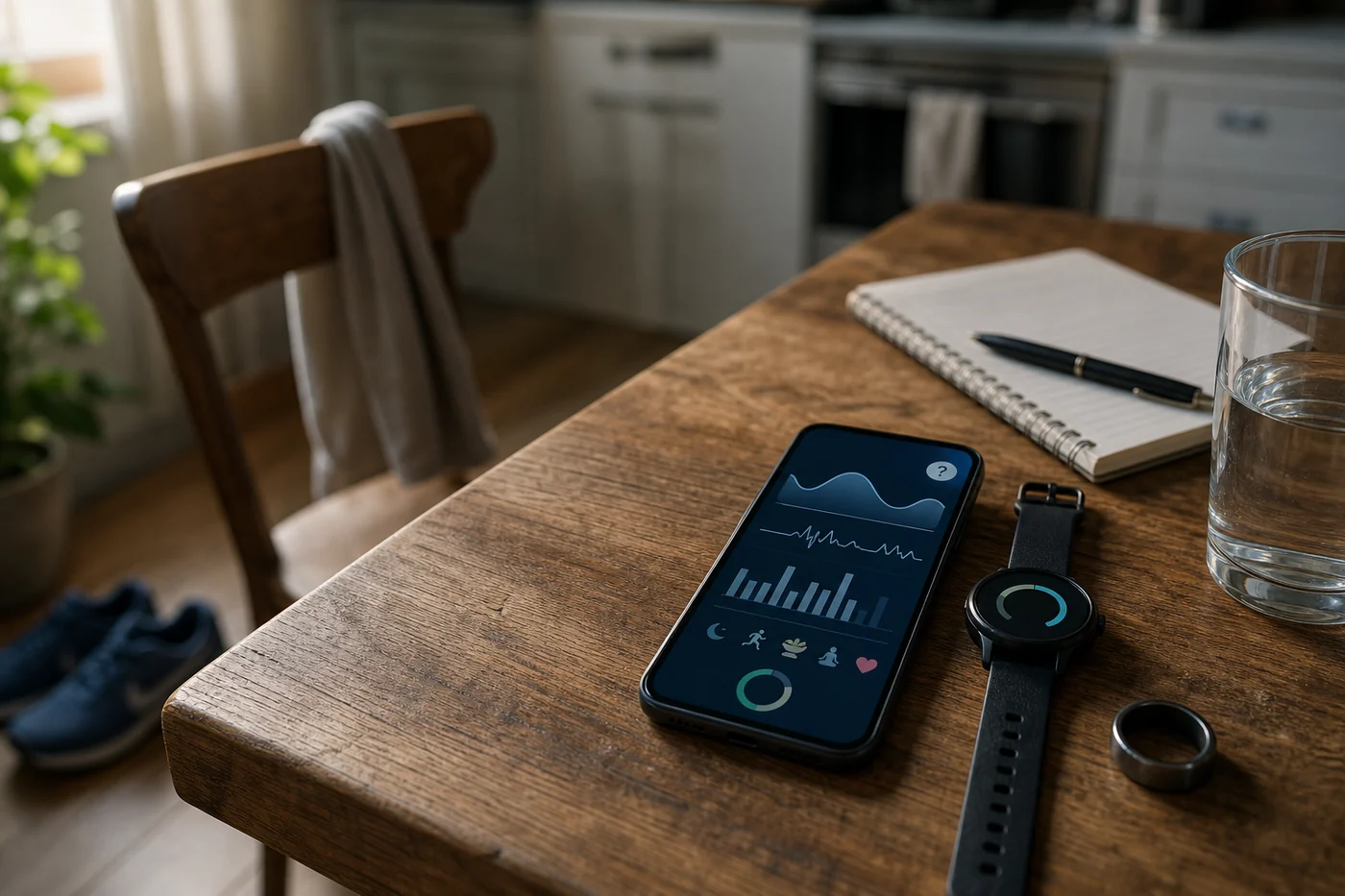
Samsung says Health Assistant connects five parts of Samsung Health: sleep, activity, nutrition, mindfulness and vitals. Instead of making you inspect each screen separately, it can explain how the variables may relate and point out patterns a person might miss.
The current beta also surfaces Samsung’s Energy Score and tailored health recommendations. That score requires at least the previous day’s activity, sleep and sleeping heart-rate data from a compatible Galaxy Watch or Galaxy Ring synced to Samsung Health. In other words, the assistant is not discovering your condition from thin air. It is interpreting data the devices and app already hold.
Samsung says its recommendations have been validated by physicians and certified health coaches. That is a product-development claim, not a published clinical result for this beta. The announcement does not provide accuracy rates, study methods or evidence that following the assistant improves health outcomes.
The Verge’s launch note confirms the basic product shape: Galaxy phone, watch or ring data is used to help people understand their health and receive lifestyle guidance. It does not add independent hands-on testing. For now, we have a beta announcement and a clearly stated scope, not a verdict on how well it works.
What can an AI health assistant help with?
The best first question is small enough to check. Ask whether your bedtime changed on the nights your Energy Score fell. Ask whether a late workout lined up with a different sleep pattern. Ask for the two or three signals behind a recommendation rather than accepting a confident summary.
Then try one reversible change for a week: move caffeine earlier, take a short walk after lunch, or protect a consistent bedtime. Keep the rest of the routine steady enough that the result means something. A health assistant is most useful when it turns a crowded dashboard into one modest experiment.
Do not ask it to decide whether chest pain is serious, change a medication, interpret a worrying ECG as a diagnosis or replace a clinician’s treatment plan. Samsung explicitly excludes diagnosis and treatment recommendations. A smooth answer does not move that line.
The distinction matters because personalization changes how advice feels. A generic article says people often sleep better with a regular schedule. A chatbot says your schedule appears to be hurting your sleep. The second sentence feels like it knows you. It may only know that two imperfect measurements moved together.
The next version may know your calendar too
Samsung says future versions will explore behavior-change coaching, weight-management services and responses informed by its Personal Data Engine. The example in the announcement is practical: calendar events and habits could help the assistant tailor a recommendation to the day you actually have.
That could stop health advice from becoming another impossible plan. Telling someone to exercise at 6 p.m. is not useful if the assistant already knows that hour is blocked. But calendar context also widens the record. Health signals, routines and appointments in one answer can reveal more than any single source does on its own.
Before opting in, check which data sources the beta can use, whether calendar context is active, and how to remove the history. Samsung’s current support documentation says people can download or erase personal data from Samsung Health in the app; erasure covers data on the device, in Samsung Health and on Samsung Health servers. That is a useful baseline, though the launch announcement does not spell out a separate retention policy for Health Assistant conversations.
Mara Vale’s concern is less dramatic than a breach scenario. A wellness suggestion may expose that the assistant combined sleep, schedule and stress-related context when the user thought they were asking about steps. The answer should name the inputs it used. Personalization feels less creepy when the evidence is visible before the recommendation lands.
Mina wants one calmer morning. Mara wants the inputs named.
Mina Torres sees the ordinary win. Most people do not need five health dashboards before breakfast. If the assistant can say that a run of late nights—not one alarming-looking score—is the pattern worth noticing, it may replace anxious checking with one manageable change.
Her limit is emotional as much as medical. A low score should not turn the morning into a failure report. The useful answer explains what changed, offers a small option and lets the person move on with the day.
Mara agrees that interpretation can help, but she wants every recommendation to show its ingredients: which dates, which sensors, whether manually logged data was included and what the assistant could not see. A personalized health claim without visible inputs is hard to challenge precisely when it sounds most convincing.
Both positions point to the same test. The assistant should leave you with less confusion and a proportionate next step. If it produces more checking, more worry or false confidence about a symptom, it has made the health data heavier rather than clearer.
Try the beta like a beta
Start by checking the source data. If the watch was loose, the ring was off overnight or nutrition was not logged, the assistant is reasoning over a partial week. Ask it to say what is missing.
Keep a brief note outside the score for seven days: bedtime, wake time, one habit you changed and how you felt. Wearable measurements are easier to judge when they sit beside the experience they are supposed to describe.
Treat surprising recommendations as questions. If the assistant repeatedly spots the same pattern and it matches your own notes, that may be worth discussing with a clinician. Bring the dates and underlying readings, not just the chatbot’s conclusion.
The promise here is not that AI knows your body. It is that a phone may become better at helping you read the record your devices already collect. That is a narrower claim. It is also enough to be useful—if the assistant remembers where explanation ends and medicine begins.